
What is Storm Damage?
Understanding the Real Impact on Your Home
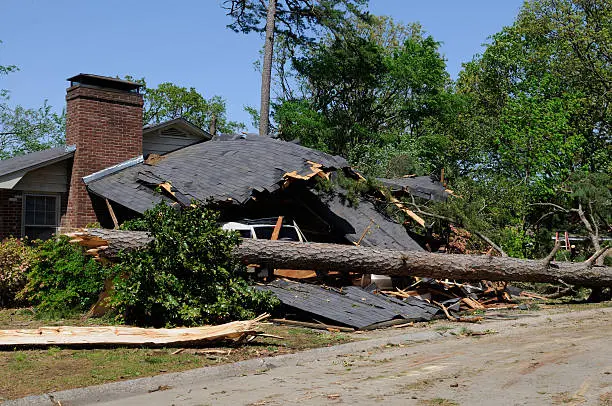
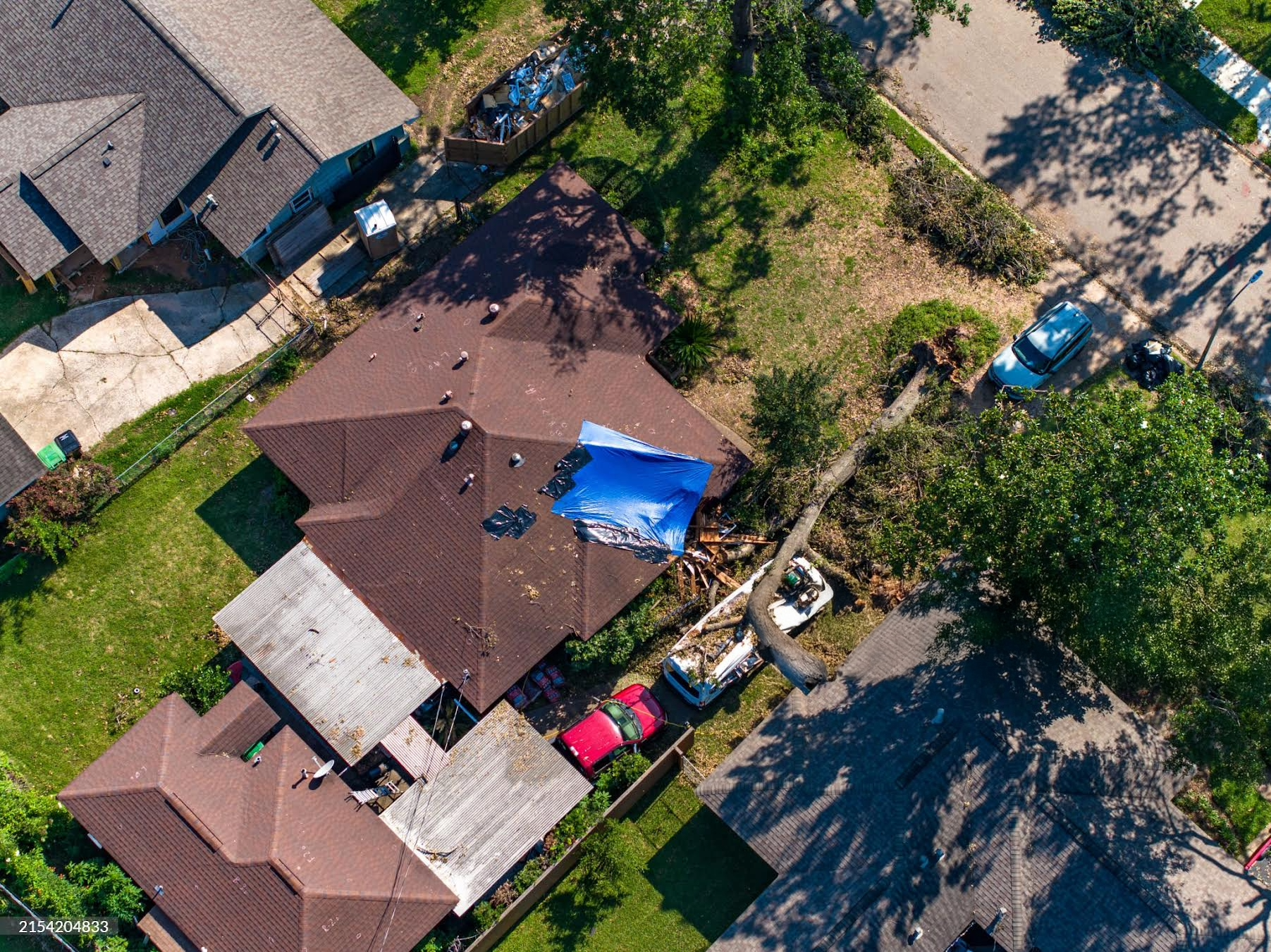
Storm damage isn't always what it appears to be at first glance. It's not just about missing shingles or visible holes—it's about understanding how weather events affect your home's structural integrity, long-term performance, and safety.
At Southeastern Public Adjusting, we look at storm damage the way engineers and forensic experts do: by examining the evidence, understanding the science, and documenting what actually happened.
Storm Damage Goes Deeper Than What You Can See
When a storm hits, the visible damage is often just the beginning. Wind, hail, rain, and debris can compromise your home in ways that aren't immediately obvious:
- Roof Systems – Shingle seals broken, underlayment compromised, flashing displaced.
- Structural Components – Framing stressed, connections weakened, load paths disrupted.
- Water Intrusion – Barriers breached, insulation saturated, interior cavities exposed.
- Material Degradation – Impact fractures, surface bruising, accelerated wear.
Most inspections stop at what's visible. We go deeper.
How We Evaluate Storm Damage
We don't guess. We document and prove.
Our forensic approach examines:
1. Material Behavior
How did the roofing, siding, or structural materials respond to the storm's forces? We study impact patterns, stress points, and material failure modes.
2. Verified Storm Data
We cross-reference your property damage with documented weather events—wind speeds, hail size, storm paths, and timing.
3. Building Codes & Standards
We evaluate whether damaged components can be repaired to current code requirements or if replacement is necessary.
4. Repairability Analysis
Not all damage can—or should—be patched. We assess whether repairs will restore the home's integrity or simply mask underlying problems.
5. Impact Patterns
Storm damage leaves evidence. We identify directional indicators, concentration zones, and consistency patterns that prove causation.
Common Types of Storm Damage
Wind Damage
Lifted, creased, or torn shingles
Displaced flashing and trim
Gutter and fascia separation
Pressure-driven water intrusion
Hail Damage
Granule loss and mat exposure
Impact fractures and bruising
Compromised shingle seal integrity
Shortened material lifespan
Combined Event Damage
Sequential storm impacts
Cumulative material degradation
Progressive failure patterns
Multi-System compromise
Why Storm Damage Requires a Forensic Approach
Insurance claims are complex. Homes are complex. Damage is rarely as simple as it looks.
A proper storm damage evaluation requires:
- Technical Knowledge – Understanding material science, structural behavior, and code requirements.
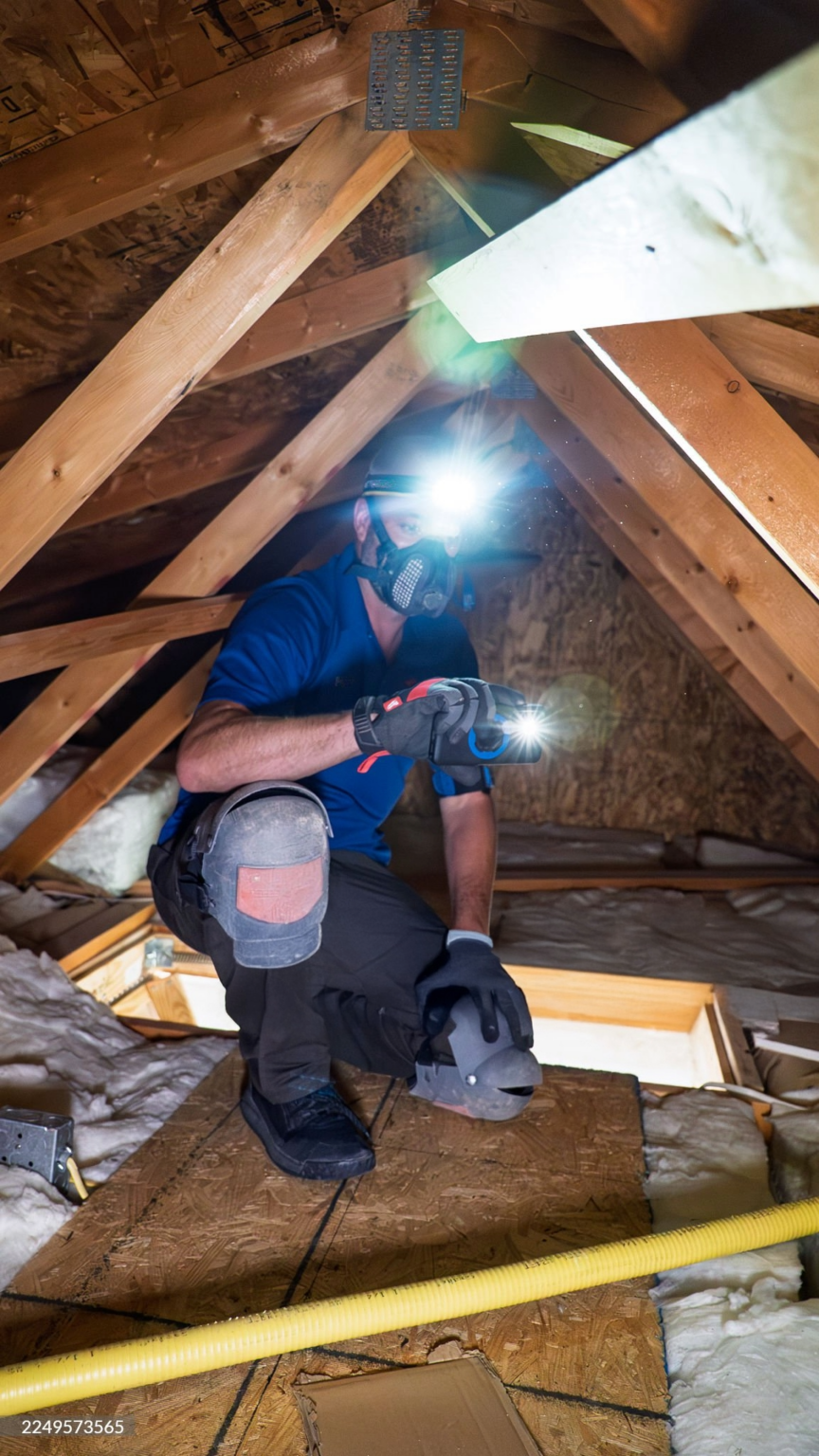
- Forensic Methodology – Documenting evidence that proves causation and extent.
- Professional Documentation – Creating defensible reports that withstand scrutiny.
We combine forensic-level inspection methods, certified repairability analysis, verified storm data, and clear professional documentation—all with one purpose: to help accurately prove the loss.
What Makes Storm Damage Documentation Different
We approach each claim from a forensic point of view—and communicate it in plain language.
That means:
- We explain how the damage happened.
- We establish when it occurred.
- We determine whether repair is truly viable or replacement is necessary.
We believe homeowners deserve more than a quick look or a surface opinion. They deserve a careful, technical evaluation that stands up to scrutiny and treats their home with the seriousness it deserves.
The Bottom Line
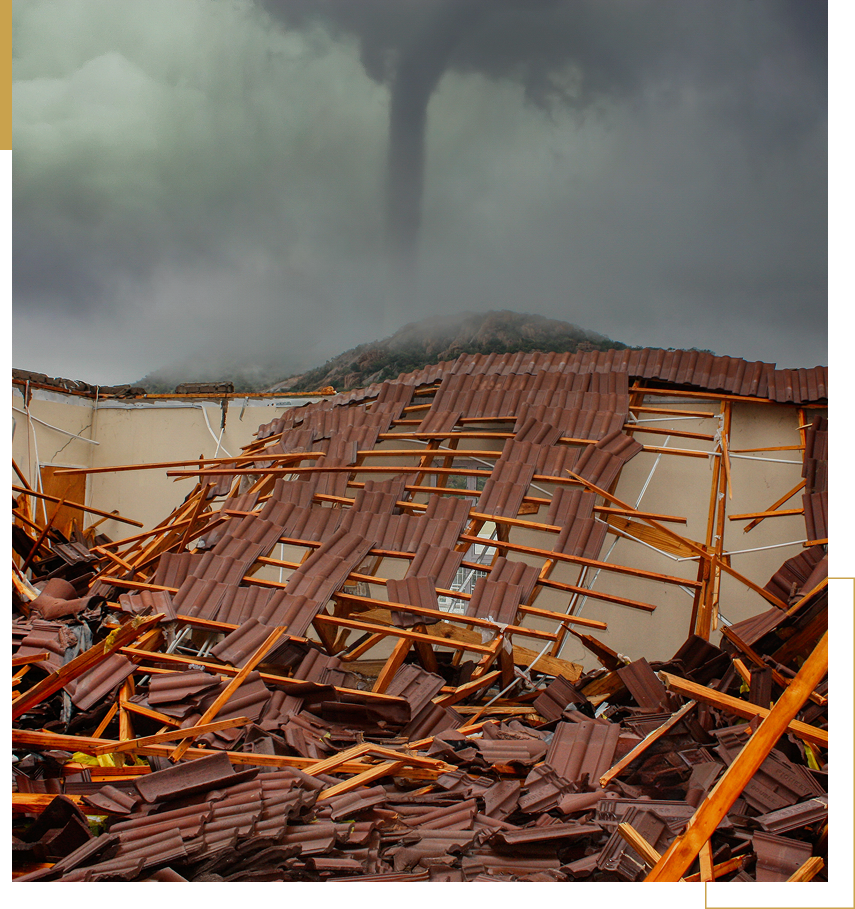
Storm damage isn't always obvious, but it's always serious.
Whether it's visible destruction or hidden compromise, your home deserves a thorough, evidence-based assessment that documents the full extent of the loss.
That's where we come in.
Has Your Home Been Affected by a Storm?
If you suspect storm damage—or if your insurance claim has been undervalued or denied—we can help. Our forensic approach ensures nothing is missed and everything is documented.